Member / listed provider
Meets SA AIA's annual membership and listing requirements.

SA AIA · LOTC / ABL
A practical, evidence-based pathway that helps providers strengthen their systems and, when ready, demonstrate them through SA AIA site verification.
Public tools for sector development. Stronger member listing requirements. Supported readiness assessment. One credible Verified Service Provider mark.
Three statuses · not three award levels
Meets SA AIA's annual membership and listing requirements.
Working through the evidence framework and strengthening identified gaps.
Completed the evidence-based process and successful site verification.
Why SA AIA is doing this
LOTC / ABL providers work in many organisational models, venues and programme environments. The goal is not to make them identical; it is to establish a credible minimum baseline while helping providers strengthen their own systems.
Raise the minimum information and evidence required for organisations publicly listed by SA AIA.
Provide templates, toolkits, examples and guidance that help improve real operating systems.
Review evidence and implementation on site before awarding the Verified Service Provider mark.
Minimum standards create the floor. Professional practice should keep moving upward.
Development before verification
The desktop stage identifies readiness. Development support helps close gaps. The site visit confirms implementation. No badge is issued before successful site verification.
Become and remain an SA AIA Corporate Member in good standing. Applicable annual information may include organisation and programme details, insurance, Code of Conduct acceptance, declarations, staff roles and emergency-readiness information.
It shows Membership, affiliation and completion of applicable listing requirements.
It does not show That a site visit occurred, organisational systems were verified or individual staff competence was certified.
Submit the framework and work with SA AIA to understand what is already strong, what is missing and what requires development. Templates, guidance, clarification and mentoring may help the provider strengthen its own systems.
Desktop readiness is not a lower verification level and does not guarantee a successful site-verification outcome.
Only once desktop requirements have been successfully submitted and key gaps addressed may the member proceed to the paid site-verification stage. SA AIA reviews whether documented systems are understood, used and reflected in the real operating environment.
Successful outcome SA AIA Verified Service Provider status and the official mark.
Maintaining status Verification remains current for 24 months, subject to reverification and earlier review triggers.
Every Verified Service Provider must meet the applicable membership requirements. Membership alone is never verification.
Practical development support
The purpose is not to catch providers out. It is to help responsible providers build credible, demonstrable systems.
We help providers reach the standard. We do not lower the standard.
SA AIA does not manufacture evidence for a provider. Each organisation remains responsible for implementing and maintaining its own systems.
Risk register, programme planning and venue due-diligence resources.
Safeguarding, participant information and shared-responsibility resources.
Emergency planning, incident reporting, near-miss learning and safety communication resources.
Equipment management, insurance and implementation guidance.
Public tools are being added as they are completed.
Browse current templates and guidelinesFor schools, educators and families
Verification supports informed decisions, but schools and families should still ask for evidence that matches the real programme, participants and setting.
What good looks like
The question is not simply “Do you have a policy?” The question is whether you can explain, evidence and demonstrate how the system works in practice.
Think about Is the programme purpose clear and suitable for the participants?
Possible evidence Programme plans, intended outcomes, suitability criteria and review records.
Support available Programme plan template — in development.
Think about Do people receive the information needed to make and support informed participation?
Possible evidence Pre-programme information, consent records, briefings and communication formats.
Support available Participant information template — in development.
Think about Are provider, client, venue and participant responsibilities understood?
Possible evidence Agreements, role descriptions, handover notes and responsibility matrices.
Support available Shared responsibility template — in development.
Think about Are safeguarding responsibilities proportionate, understood and used?
Possible evidence Codes of behaviour, reporting routes, declarations and response records.
Support available Safeguarding starter guide — in development.
Think about How are hazards, changing conditions and controls considered in real decisions?
Possible evidence Risk registers, dynamic assessments, approvals and review records.
Support available Risk register template — in development.
Think about How does the organisation decide who may perform which role?
Possible evidence Role profiles, competency records, supervision plans and deployment decisions.
Support available Guidance and links to relevant professional development where appropriate.
Think about Can the team respond, report, learn and implement corrective action?
Possible evidence Emergency plans, drills, incident reports, near-miss records and learning reviews.
Support available Emergency and incident templates — in development.
Think about Are relevant requirements current, understood and connected to the real service scope?
Possible evidence Insurance schedules, company information, declarations and renewal controls.
Support available Insurance explainer — in development.
Think about Is important safety information clear at the point people need it?
Possible evidence Signs, briefing aids, venue information and accessible communication formats.
Support available Safety signage resources — in development.
A context-based approach
Use the evidence lens to see how the same framework adapts to different settings. These prompts are not separate award levels.
Try the evidence lens: Select one setting to reveal its additional focus areas.
Additional focus areas
Its relevant focus areas will appear here.
People, purpose and place
Hover, tap or use keyboard focus to meet the settings and communities behind the framework.

Camps, trips and programmes where safeguarding, consent, suitability, welfare and age-appropriate supervision matter.

Leadership, route and camp decisions, remote communication, participant care and contingency planning.

Purposeful challenge, inclusive facilitation and reflection connected to organisational or team outcomes.
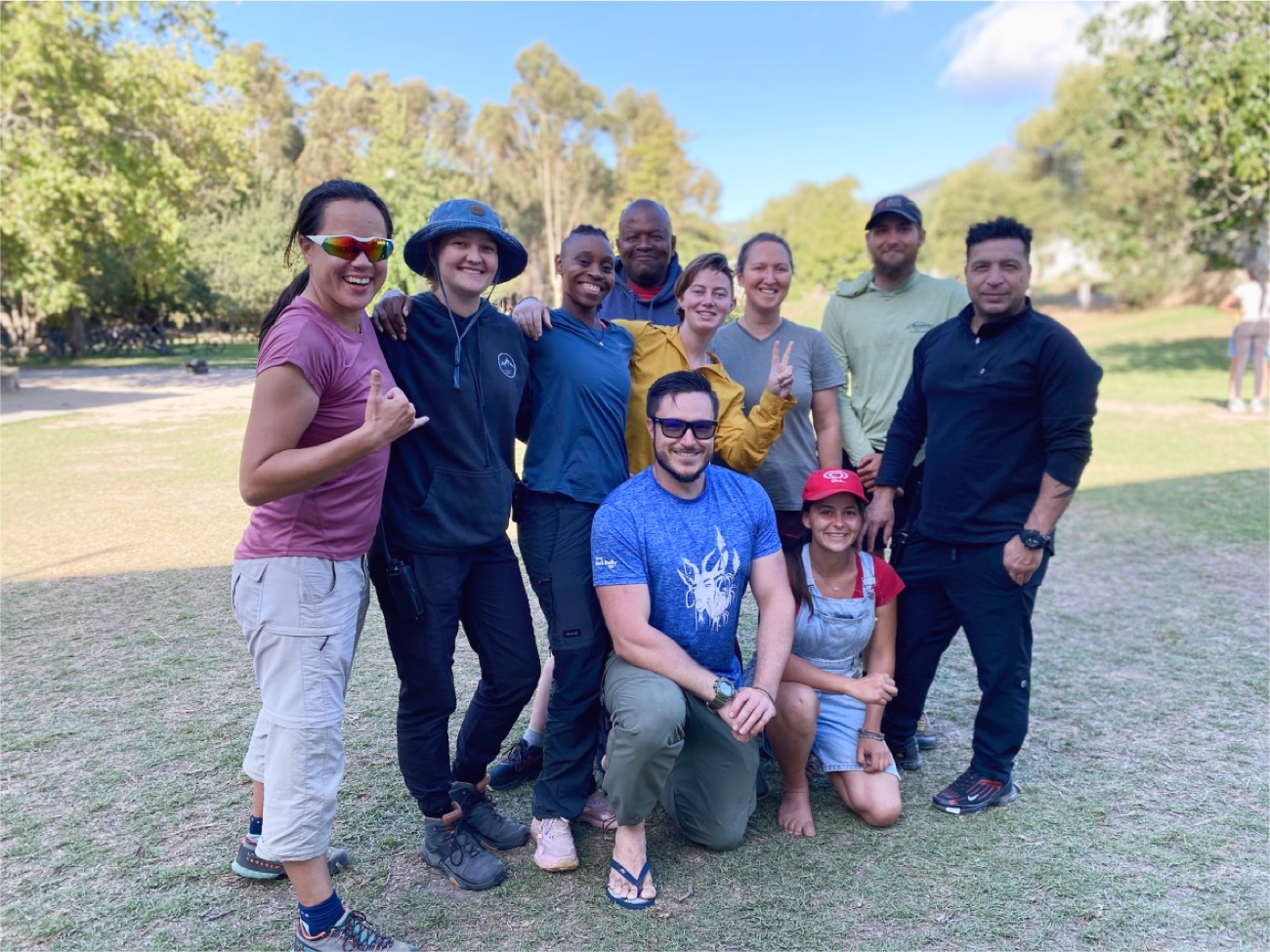
Programmes shaped around belonging, wellbeing, inclusion, community purpose and responsible facilitation.

Place-based learning, environmental responsibility and programme decisions suited to changing natural conditions.

Belonging, participant welfare, clear roles, venue coordination and communication across operating settings.
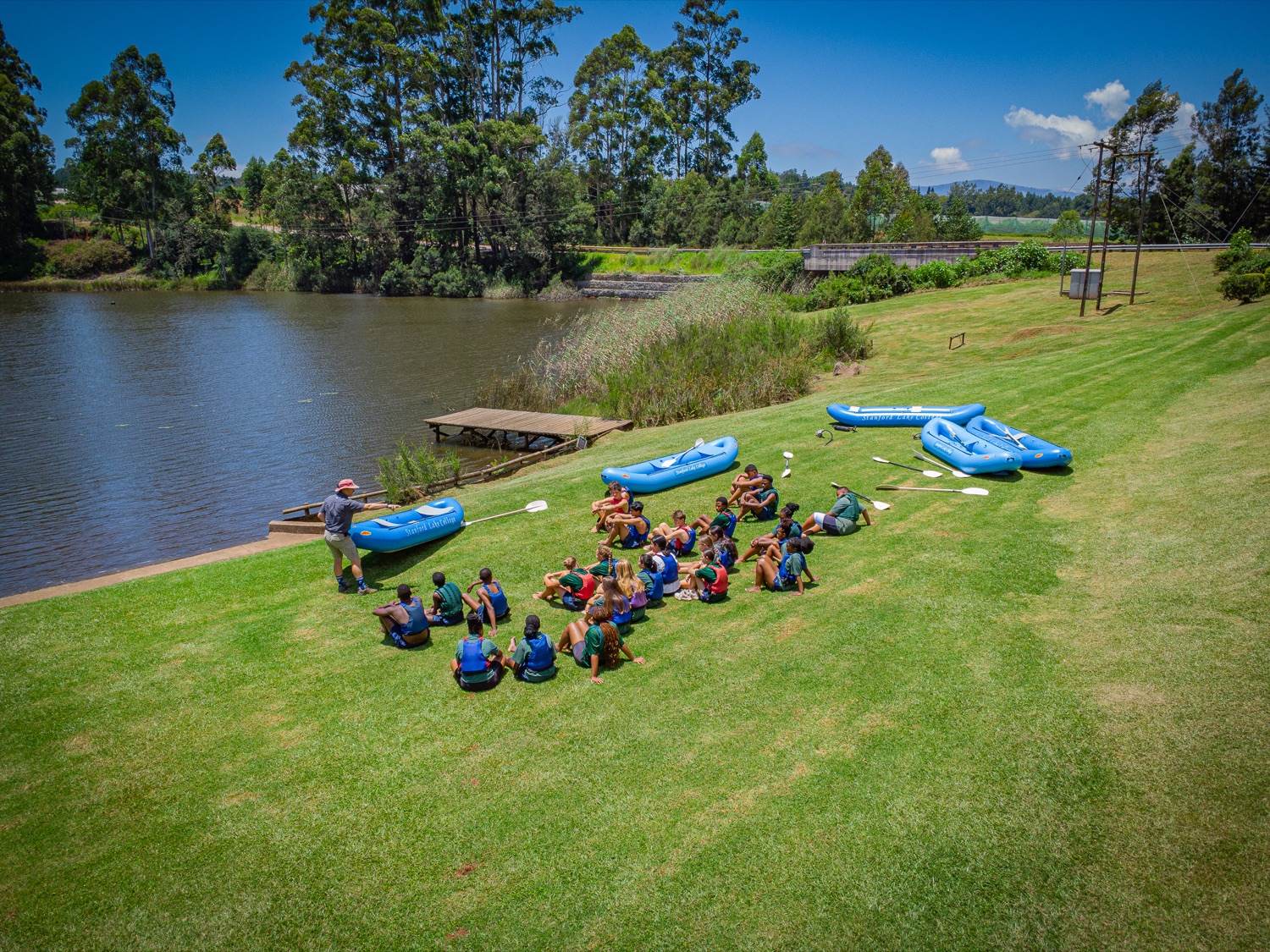
Relationship-building, communication, reflection and accessible challenge connected to clear learning or development outcomes.
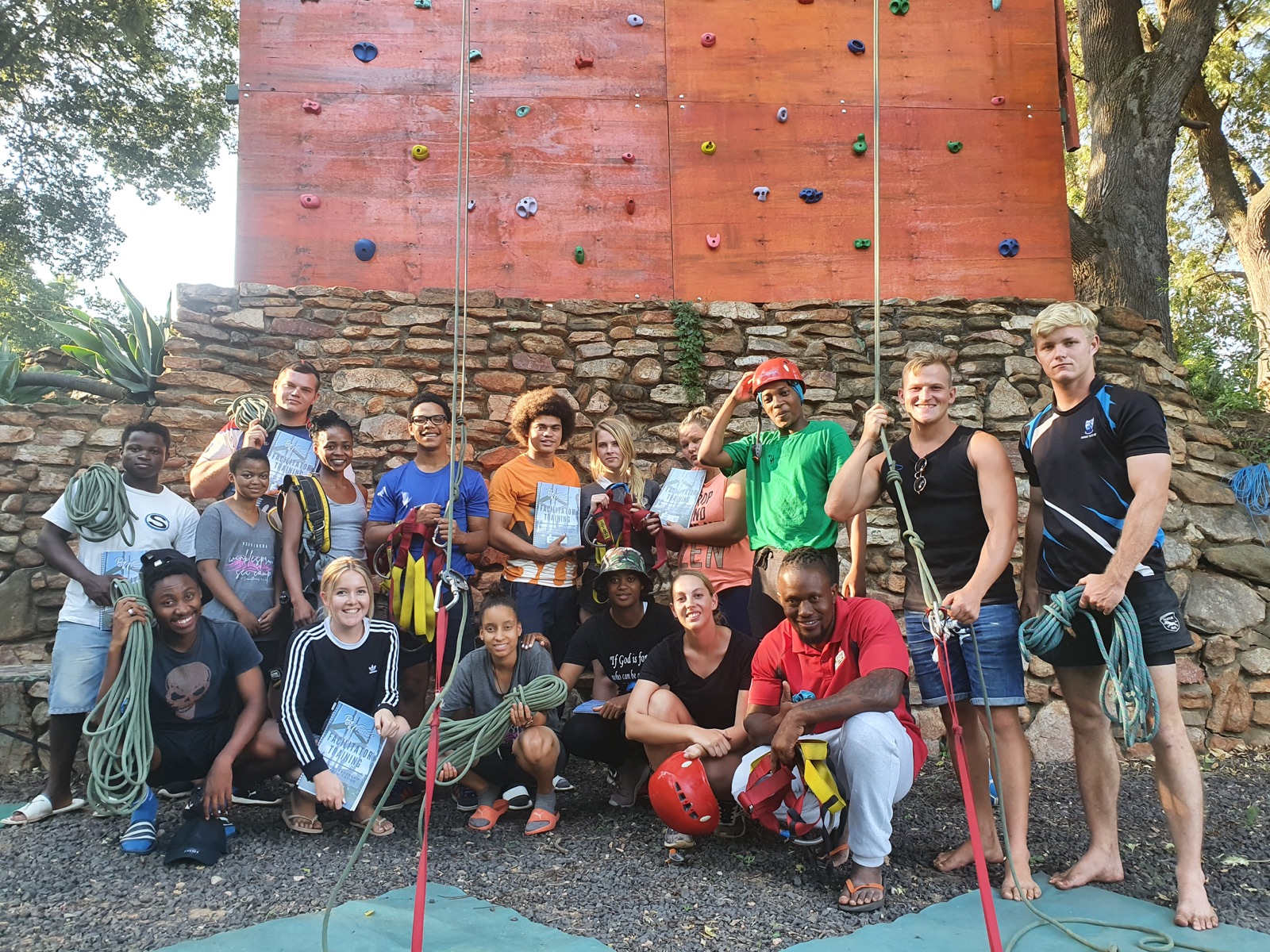
Technical competence, equipment systems, operating limits, role clarity and activity-specific emergency readiness.
The point of verification
Documents show what an organisation says it does. The site visit allows SA AIA to see whether those systems are understood, used and reflected in the operating environment.
Evidence must match practice.
Depending on context, the review may consider:
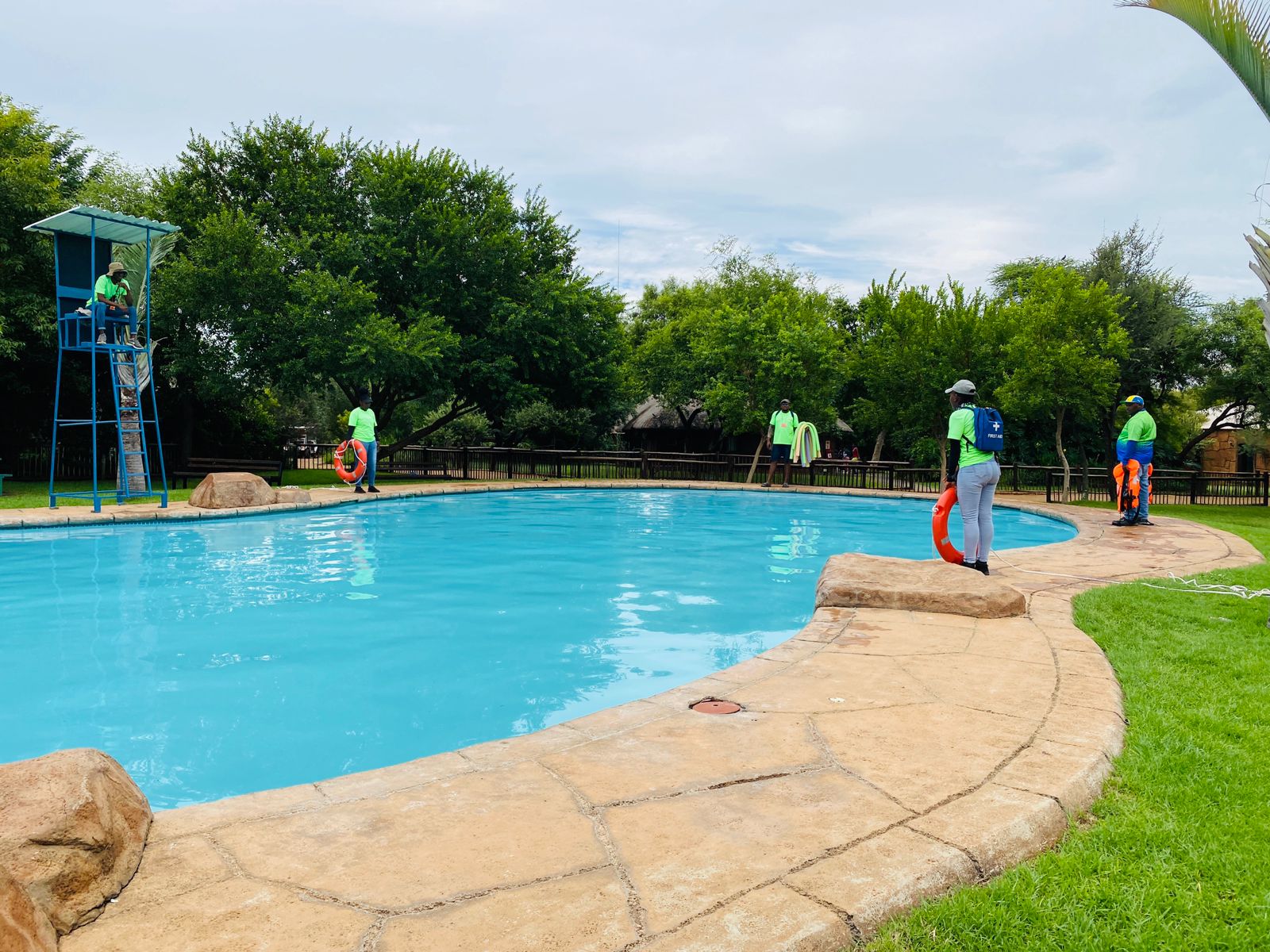
Evidence-based. Site-verified. Time-bound.
The SA AIA Verified Service Provider mark
SA AIA Verified Service Provider status confirms that the provider has completed SA AIA's evidence-based organisational verification process, including site verification, and holds a current verification status.
Appropriate organisational evidence and its implementation in the provider's operating environment, including relevant programme, risk, safeguarding, governance, staff-oversight and emergency-readiness systems.
Status is valid for 24 months and is subject to renewal or reverification. Significant incidents, safeguarding concerns, material misrepresentation or major operational changes may trigger an earlier review.
It does not replace legal obligations, guarantee that incidents cannot occur, approve every future activity, certify individual technical competence, accredit training providers or verify tourist-guiding services.
Two complementary questions: the Technical Competency Framework asks whether a practitioner can perform their role responsibly—including technical scope, facilitation, communication, judgement, ethics, human skills, CPD and career progression. Service Provider Verification asks whether the organisation delivers responsibly.
Explore SA AIA's wider industry and professional-development work2026 · Verification implementation & pilot development
The framework is being tested in real operating environments so that it remains practical, fair and credible.
External reference points
External frameworks may inform good practice, but they do not confer SA AIA Verified Service Provider status.
Your next step
Join as an organisation, meet the applicable membership and listing requirements, and engage in the supported Desktop Readiness Assessment when eligible.
Already a member? The assessment and verification pathway is managed internally by SA AIA.
Common questions
Public information is transparent. Confidential provider evidence remains part of the internal process.
The verification process is part of the SA AIA member pathway. A provider must first become and remain an eligible Corporate Member in good standing. Membership is not verification, although non-members may use public resources SA AIA makes openly available.
SA AIA reviews existing evidence, identifies strengths and gaps, and may provide templates, guidance and mentoring while the provider strengthens its own systems. The Desktop Readiness Assessment is currently offered at no cost. It is not a verification award and no badge is issued.
Only after the member has successfully submitted the required desktop evidence and addressed key gaps. The site visit is mandatory for final status and tests whether documented systems are understood and used in practice.
Status is valid for 24 months, subject to renewal or reverification. Significant incidents, safeguarding concerns, material misrepresentation or major operational changes may trigger an earlier review.
Providers remain responsible for all applicable legal obligations. The process does not certify individual staff competence, accredit training provision, verify tourist-guiding services, guarantee that incidents cannot occur or approve every future activity.